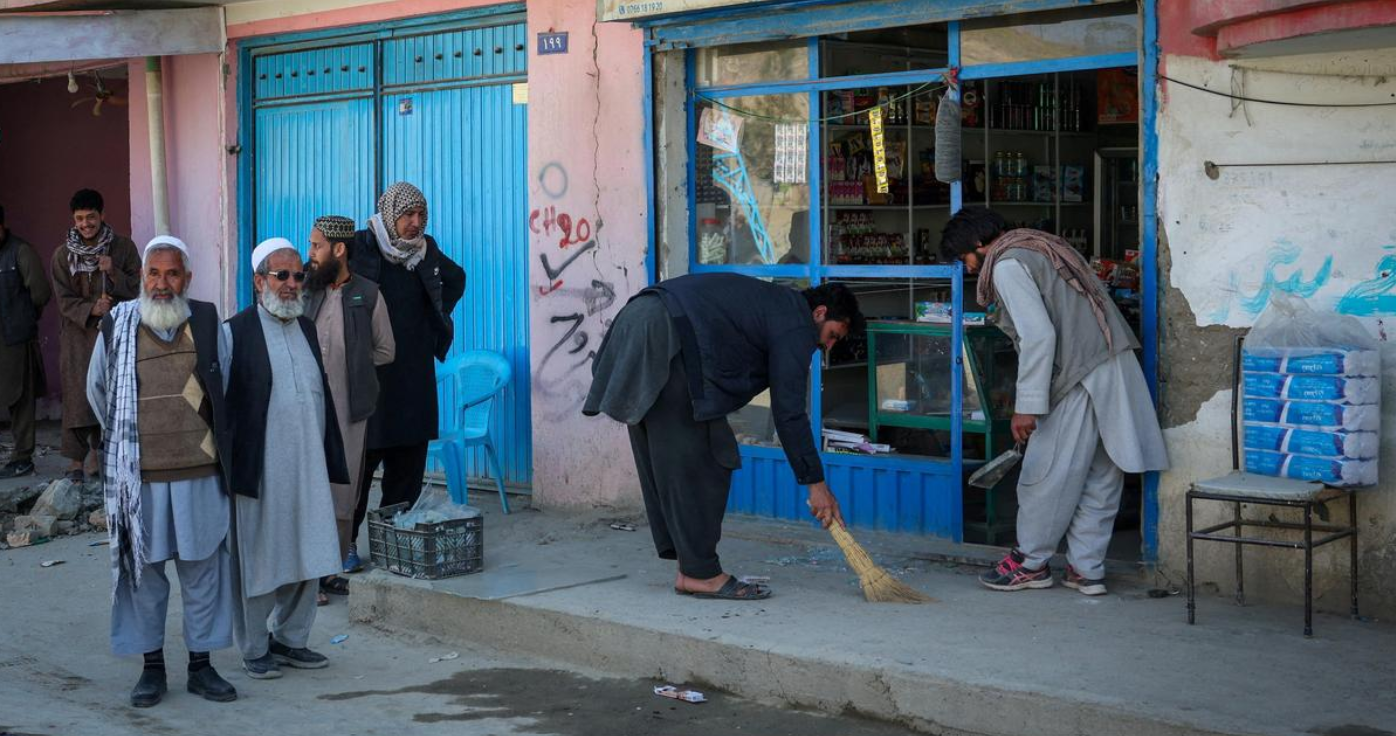
Kabul/Islamabad: Amid rising tensions along the Afghanistan-Pakistan border, the Afghan government has expressed its willingness to initiate dialogue in order to prevent further escalation between the two neighboring countries.
Officials from Kabul stated that diplomatic communication remains the preferred route to resolve misunderstandings and border-related disputes. The situation has attracted international attention as both nations share a sensitive and historically disputed border region.
What Triggered the Latest Tensions?
The recent friction reportedly stems from border security operations and accusations of cross-border movement by militant groups. Both sides have previously blamed each other for failing to control insurgent activities near the border areas.
Clashes and exchange of statements have increased pressure on diplomatic channels. However, Afghan authorities emphasized that long-term stability can only be achieved through peaceful negotiations rather than military escalation.
Afghanistan’s Call for Dialogue
A spokesperson for the Afghan government stated that:
“Dialogue and mutual understanding are essential to maintain regional stability.”
The government has indicated readiness for bilateral talks aimed at addressing border management, security coordination, and economic cooperation.
Afghanistan believes that open communication can help reduce mistrust and avoid further incidents.
Pakistan’s Position
Pakistan has consistently maintained that security along the border is a priority and has urged Afghanistan to take strict action against militant groups operating from its territory.
Islamabad has also called for stronger border control mechanisms and coordinated intelligence sharing to prevent future conflicts.
Why This Conflict Matters
The Afghanistan-Pakistan relationship plays a crucial role in South Asian regional stability. Escalation could:
- Impact cross-border trade
- Disrupt civilian life in border districts
- Increase regional security concerns
- Affect diplomatic relations in the wider region
International observers have encouraged both sides to pursue diplomatic solutions.
Regional and Global Reactions
Several regional stakeholders have expressed concern over the growing tension. Analysts suggest that sustained diplomatic engagement is necessary to prevent long-term instability.
Peaceful resolution through dialogue remains the most viable path forward, according to political experts.